
"thermal coffee beans"
1000 article(s) found

Recommended Guide for hand-brewed Coffee filter Cup V60 filter Cup Cake filter Cup Coffee flavor comparison
Guide coffee filter cup is a very important instrument for hand-brewed coffee, now there are many types of filter cup on the market, so many consumers have difficulty in choice. Today, let's share a choice in the street! The choice of filter cup can be compared from these angles to compare the material development of Ⅰ filter cup so far, the material of filter cup is numerous, including resin, glass, ceramic, metal and wood.

How to choose the material of hand coffee filter cup? Does the material of the filter cup have a great influence on coffee?
As long as people pour coffee on it, they keep talking about filter cups. Flat bottom or conical shape, the best size, choose the right filter cup to consider a lot of variables. However, one of the less discussed points is the material used to construct the filter cup. Although many people think this is not important, it does affect the way coffee is extracted. Which variables affect the cooking process? Pour in the coffee

The process of making coffee in siphon pot is invented based on the principle of thermal expansion and cold contraction.
A brief introduction to the siphon Coffee Pot, also known as the plug Pot, it was developed by Scottish Navy engineer Robert Naiphir. It was invented in 1840. The siphon kettle is invented based on the principle of thermal expansion and cold contraction, which produces water vapor after heating with water during production, resulting in long heat and cold shrinkage. The hot water in the lower seat is pushed to the upper seat. After the lower pot cools, it produces negative pressure to suck back the water from the upper pot to get coffee.

What kind of coffee cup is good? Stainless steel cup VS glass which is more thermal insulation?
Professional coffee knowledge exchange more coffee bean information Please follow the coffee workshop (Wechat official account cafe_style) which cup is the best cup for hanging-ear coffee? Coffee cup vs mug competition do you know that coffee cup can also affect the quality of coffee? To preserve the aroma, temperature and taste of coffee, the material and size of coffee cups are the key! This time, goat coffee will lead you to read it.
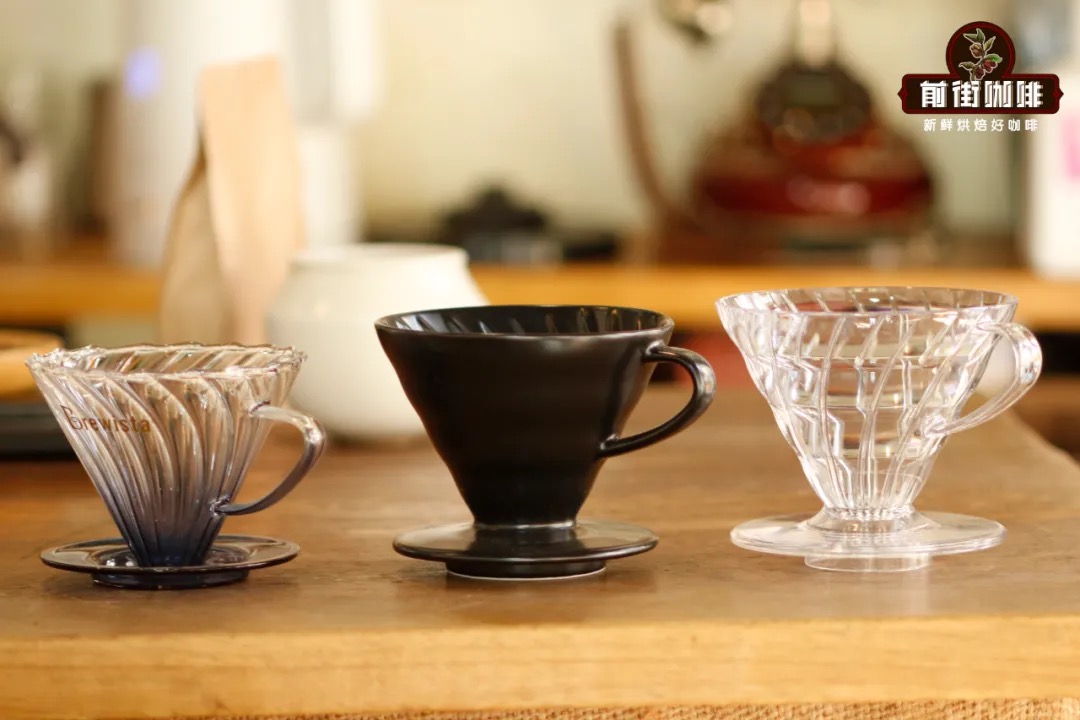
Novice household coffee brewing utensils filter cups recommend what kind of appliances families need to drink coffee
Recently, Qianjie received such a Wechat message: "I just want to simply buy a V60 filter cup."... Why are there so many materials?! There is still a big difference in price, is the coffee really different? " What is the difference between filter cups made of different materials? The common materials of V60 filter cups on the market now.

The basic Chemical reaction of Coffee Baking process
Original: Basic Chemical Reactions Occurring in the Roasting Process by Carl Staub sourced from the SCAA Roast Color Classification System developed by Agtron-SCAA in 1995 Many thermal and chemical reactions occur during the roasting proces

What coffee cup do you use to drink coffee? what kind of cup is suitable for drinking coffee?
Professional coffee knowledge exchange more coffee bean information Please follow the coffee workshop (Wechat official account cafe_style) you may have many mugs at home, and you should also have the cup you like or are most used to. In addition to pleasing to the eye, or the cup has a special meaning to you, what you need to consider is actually the material. Drinking coffee from cups of different materials will result in differences in thermal conductivity.

Basic chemical reactions in the roasting process of coffee in both Chinese and English
Original: Basic Chemical Reactions Occurring in the Roasting Process by Carl Staub sourced from the SCAA Roast Color Classification System developed by Agtron-SCAA in 1995 Many thermal and chemical reactions occur during the roasting proces

Explanation of the basic chemical reaction of coffee roasting in both Chinese and English
Original: Basic Chemical Reactions Occurring in the Roasting Process by Carl Staub sourced from the SCAA Roast Color Classification System developed by Agtron-SCAA in 1995 Many thermal and chemical reactions occur during the roasting proces

Basic chemical reactions that occur during coffee roasting
Many thermal and chemical reactions take place during baking: decarbonation, dehydration of quinic acid, fragmentation, isomerization, polymerization, and complex sugar reactions (caramelization). The main thermally reactive components are monosaccharides and sucrose, chlorogenic acid, displaced amino acids, and trigonelline amide. Both aravinone and calactose in polysaccharides are transferred, and basic sulfurization contains hydroxyamino acids.
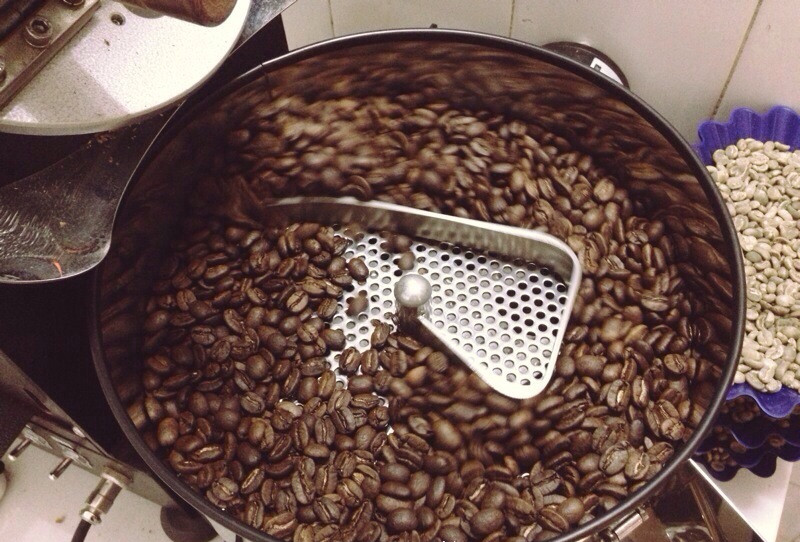
Basic chemical reactions of coffee beans during coffee roasting
Many thermal and chemical reactions take place during baking: decarbonation, dehydration of quinic acid, subdivision, isomerization, polymerization, and complex sugar reactions (caramelization). The main components of the thermal reaction are monosaccharides and sucrose, chlorogenic acid, free amino acids, and fenugreek amide. Both aravinose and calactose in the polysaccharides are transferred, and the basic vulcanization process includes hydroxylamine.
The basic chemical reaction of coffee roasting process
Many thermal and chemical reactions take place during baking: decarbonation, dehydration of quinic acid, subdivision, isomerization, polymerization, and complex sugar reactions (caramelization). The main components of the thermal reaction are monosaccharides and sucrose, chlorogenic acid, free amino acids, and fenugreek amide. Both aravinose and calactose in the polysaccharides are transferred, and the basic vulcanization contains hydroxylated amino acid.
The basic chemical reaction that takes place during coffee roasting.
Many thermal and chemical reactions take place during baking: decarbonation, dehydration of quinic acid, subdivision, isomerization, polymerization, and complex sugar reactions (caramelization). The main components of the thermal reaction are monosaccharides and sucrose, chlorogenic acid, free amino acids, and fenugreek amide. Both aravinose and calactose in the polysaccharides are transferred, and the basic vulcanization process includes hydroxylamine.
The basic chemical reactions that take place during coffee roasting
Many thermal and chemical reactions take place during baking: decarbonation, dehydration of quinic acid, subdivision, isomerization, polymerization, and complex sugar reactions (caramelization). The main components of the thermal reaction are monosaccharides and sucrose, chlorogenic acid, free amino acids, and fenugreek amide. Both aravinose and calactose in the polysaccharides are transferred, and the basic vulcanization process includes hydroxylamine.
The basic chemical reactions that take place during coffee roasting
Many thermal and chemical reactions take place during baking: decarbonation, dehydration of quinic acid, subdivision, isomerization, polymerization, and complex sugar reactions (caramelization). The main components of the thermal reaction are monosaccharides and sucrose, chlorogenic acid, free amino acids, and fenugreek amide. Both aravinose and calactose in the polysaccharides are transferred, and the basic vulcanization process includes hydroxylamine.
The basic chemical reactions that take place during coffee roasting.
Many thermal and chemical reactions take place during baking: decarbonation, dehydration of quinic acid, subdivision, isomerization, polymerization, and complex sugar reactions (caramelization). The main components of the thermal reaction are monosaccharides and sucrose, chlorogenic acid, free amino acids, and fenugreek amide. Both aravinose and calactose in the polysaccharides are transferred, and the basic vulcanization process includes hydroxylamine.
The basic chemical reaction of coffee technology in the process of coffee roasting
Many thermal and chemical reactions take place during baking: decarbonation, dehydration of quinic acid, subdivision, isomerization, polymerization, and complex sugar reactions (caramelization). The main components of the thermal reaction are monosaccharides and sucrose, chlorogenic acid, free amino acids, and fenugreek amide. Both aravinose and calactose in the polysaccharides are transferred, and the basic vulcanization process includes hydroxylamine.

What is the chemical reaction in the roasting process of coffee beans? What is the thermal decomposition reaction of coffee beans during roasting
Professional coffee knowledge exchange more coffee bean information please follow the coffee workshop (Wechat official account cafe_style) what are the chemical reactions in the roasting process of coffee beans? What is the thermal decomposition reaction of coffee beans during roasting? After roasting at high temperature, coffee beans will produce a variety of charming aromas and flavors, mainly because of the chemical reactions that take place inside the beans during roasting.

Zero basics how to make coffee world champion, what are the techniques for making coffee by hand?
For more information on coffee beans, please pay attention to the deep-deep roasting in the coffee workshop (Wechat official account cafe_style). The water temperature of hand-made coffee is usually 86-88 degrees Celsius. The ratio of water to powder is about 14 degrees Celsius and about 20 seconds. Take the [Jamaica Blue Mountains] as an example, it is planted on the slopes of Jamaica about 1310 meters. It is an ancient tin card variety, washed, peeled and fermented.
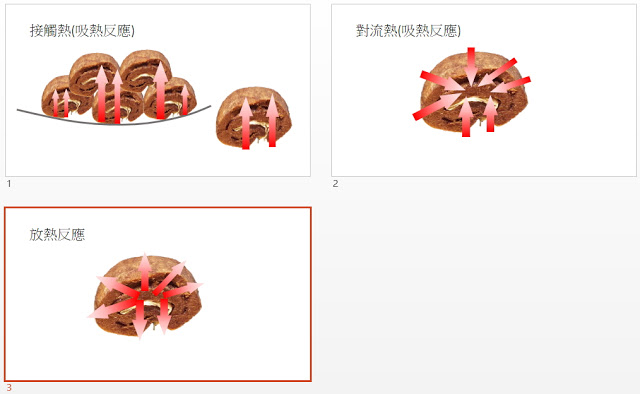
Professional coffee roasting | [bean roaster] relationship between heat conduction and roasting
Professional coffee knowledge exchange more coffee bean information please follow coffee workshop (Wechat official account cafe_style) coffee roasting _ bean roasting _ coffee roasting training. As long as it is a roller roaster, whether it is a direct fire, semi-direct fire, semi-hot air, hot air heating type, because coffee beans are vacated and flown in the baking bucket by rotating through the rolling bucket and stirring the leaves in the bucket.